What is a Blower Door Test?
Definition and Purpose
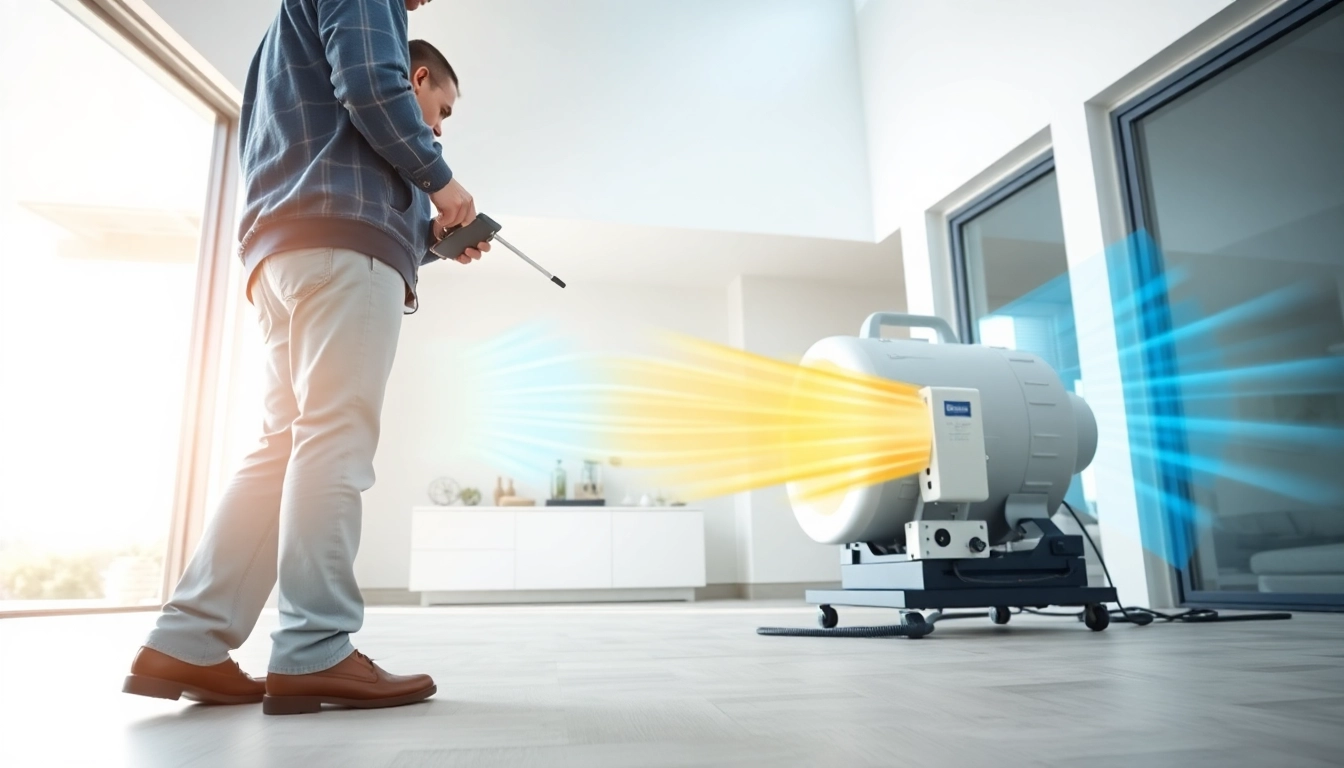
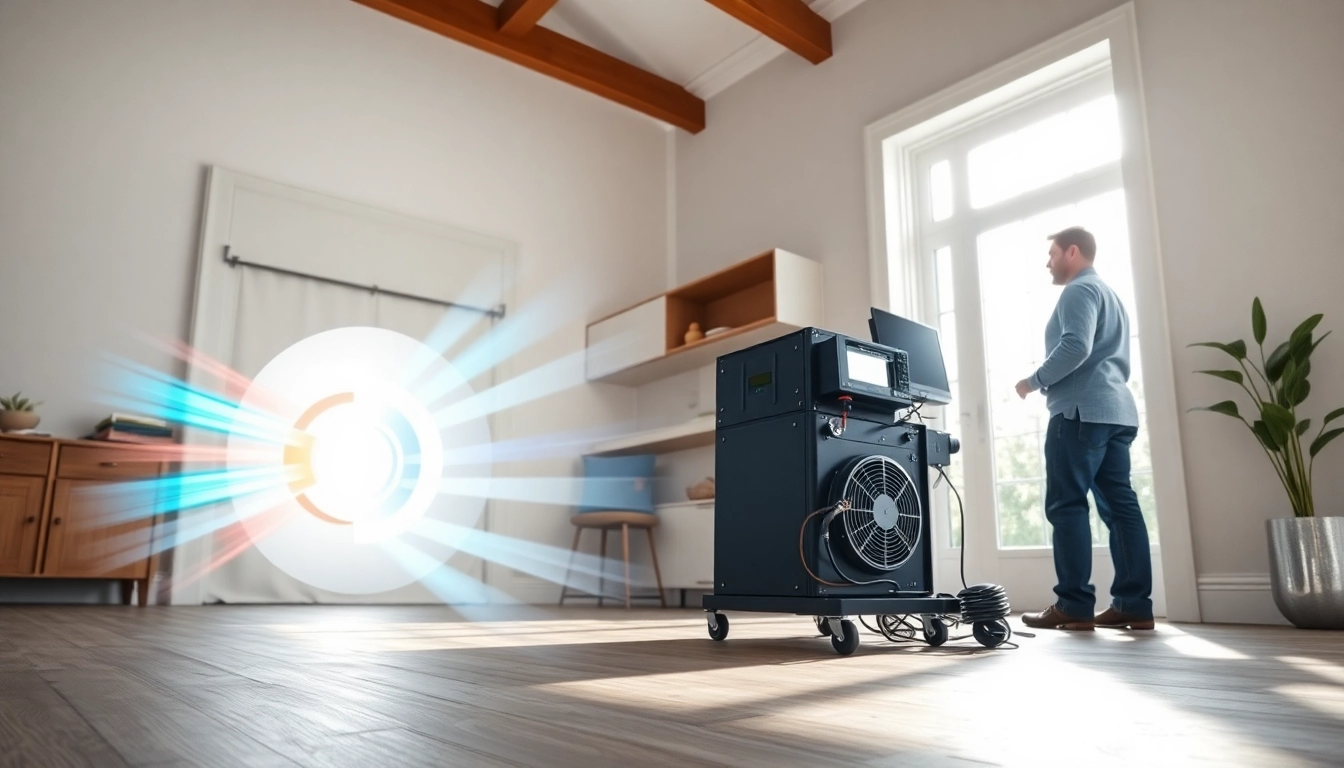
A blower door test is a diagnostic tool widely used in the building sciences to measure the airtightness of buildings. Essentially, it involves the use of a specialized fan that is mounted in an exterior doorway to either pressurize or depressurize a house. This process allows professionals to quantify the amount of unintentional air leakage through a building's envelope, which significantly affects energy efficiency, comfort, and indoor air quality.
How It Works
The blower door test works by creating a controlled environment where air pressure is manipulated within the building. Typically, the blower door is set to a pressure differential of 50 pascals, a unit of pressure commonly used in building science. During the test, data are collected about how much air flows through leaks in the building envelope, which can then be analyzed to identify specific areas of weakness. The results serve as an invaluable piece of information for homeowners and builders looking to enhance energy performance.
Why It Matters for Homeowners
Homeowners benefit significantly from understanding their homes' airtightness. A blower door test can identify air leaks that, if left unchecked, could lead to increased energy bills and discomfort. By targeting problem areas, homeowners can make informed decisions about repairs and upgrades, resulting in a more comfortable, healthier living environment. Ultimately, the test helps to optimize air quality and achieve energy efficiency ratings, which can have long-term financial benefits.
Benefits of Conducting a Blower Door Test
Improved Energy Efficiency
Conducting a blower door test leads to improved energy efficiency in a home. Identifying and sealing leaks ensures that heating and cooling systems work efficiently, potentially reducing energy consumption by 20% or more. The quantifiable data from the test enables homeowners to track improvements over time, effectively supporting investments in energy-efficient upgrades. It's not just about reducing bills; it's also about sustainability and making a positive environmental impact.
Enhanced Indoor Air Quality
Ablowers door test contributes to enhanced indoor air quality by identifying unwanted air infiltration. Leaks can allow pollutants, allergens, and humidity to enter a space, negatively affecting respiratory health. By sealing these leaks, homeowners can reduce exposure to outdoor contaminants, improve ventilation balance, and maintain ideal indoor humidity levels. This proactive measure contributes directly to a healthier living environment for families.
Cost Savings and Rebates
Through conducting a blower door test and making recommended improvements, homeowners often qualify for various energy rebates from local utility programs. These programs can provide financial incentives for energy-efficient upgrades, significantly offsetting initial costs. Additionally, the long-term savings from reduced energy bills justify the investment in a blower door test, reinforcing its value as an essential step in home performance optimization.
Preparing for a Blower Door Test
What Homeowners Should Do
Preparation for a blower door test involves a few key steps to ensure accurate results. Homeowners should seal fireplace dampers, temporarily disable exhaust fans, and ensure that all windows are closed. Additionally, it’s advisable to make a note of any areas suspected of being drafty, as these can be pinpointed during the test. An organized approach can help streamline the testing process and lead to more effective remediation strategies.
Common Misconceptions
One common misconception about blower door tests is that they are only necessary for older homes. In reality, any building, regardless of age, can benefit from these assessments. Another misconception is that minor leaks are inconsequential; however, even small leaks can significantly impact energy efficiency over time. Addressing misconceptions is critical to get homeowners engaged and recognize the value of conducting these tests.
Interviewing Potential Assessors
Choosing the right professional to conduct a blower door test involves careful consideration. Homeowners should check for certifications and experience in building science. Asking about past projects, particularly similar in nature to one's own, is beneficial. Additionally, understanding the assessment process and requesting sample reports can help ensure the contractor's methodology aligns with homeowner expectations and objectives.
Interpreting Blower Door Test Results
Understanding Metrics and Measurements
Blower door test results are presented in several key metrics, including airflow rates in cubic feet per minute (CFM) and air changes per hour (ACH). A high CFM indicates a significant level of air leakage, while the ACH metric gives homeowners an understanding of how often the volume of indoor air is replaced with outdoor air each hour. Understanding these metrics is crucial for evaluating a home's performance and for making educated decisions on needed improvements.
Common Air Leakage Issues
Typical sources of air leaks in homes include gaps around windows and doors, electrical outlets, ductwork, and plumbing penetrations. Identifying these leaks is essential for a comprehensive air-sealing strategy. Other less obvious areas can include attics, basements, and crawl spaces, where poor insulation and ventilation may also contribute to significant air loss. Recognizing these issues will help homeowners target effective repairs.
Strategies for Improvement
Once air leakage issues have been identified, homeowners can adopt several strategies for improvement. Caulking and weather stripping around windows and doors is a straightforward first step. For more complex issues, professional-grade insulation can be added, or larger structural modifications might be necessary. Regular monitoring and conducting follow-up blower door tests can help ensure improvements are achieving desired outcomes and continue to enhance energy efficiency over time.
Frequently Asked Questions About Blower Door Tests
How long does a blower door test take?
A typical blower door test can take anywhere from 30 minutes to 2 hours, depending on the size of the home and the thoroughness of the assessment.
What are the costs involved?
Costs for a blower door test generally range from $300 to $600, depending on the region and additional services required, such as further diagnostics or air-sealing estimates.
Are there specific requirements for a test?
Yes, prior to a blower door test, homeowners should ensure that all windows and doors are closed, fireplace flues are sealed, and exhaust vents are temporarily blocked for accurate results.
Who should conduct the test?
The blower door test should be conducted by a certified energy auditor or home performance specialist with experience in residential energy assessments to ensure authoritative data collection.
How often should tests be performed?
It's advisable to conduct a blower door test during major renovations or every few years to keep track of air leakage and ensure that energy-saving improvements remain effective over time.