Initial Cost of Heat Pumps vs. Furnaces
Purchase Price Comparison
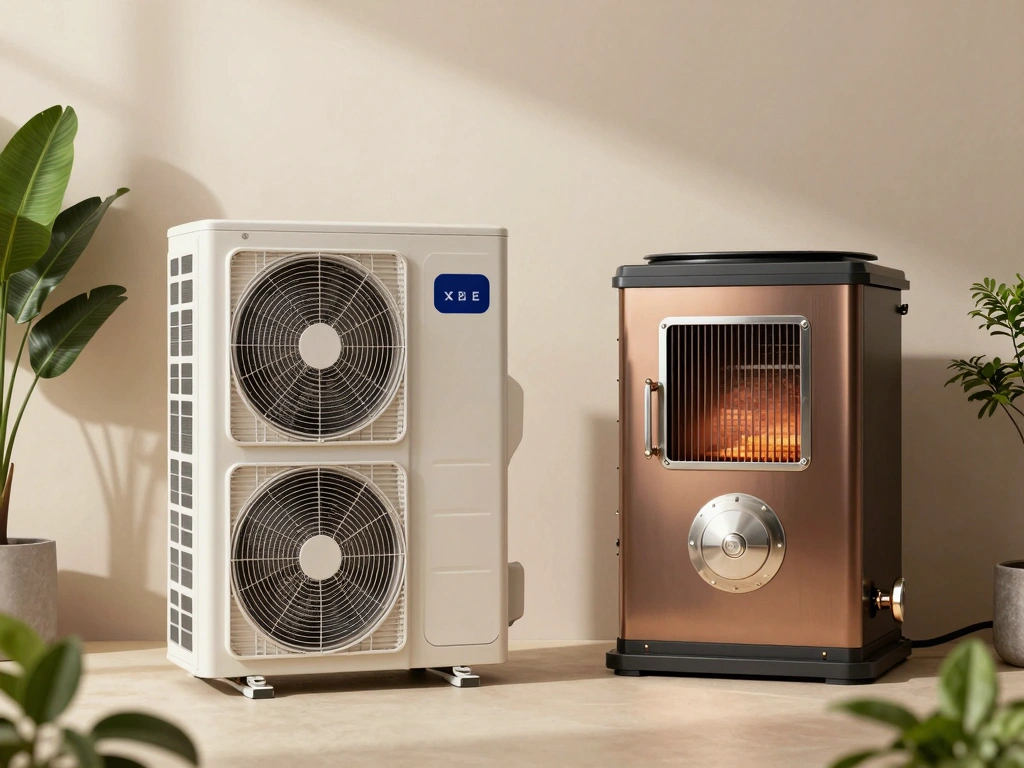
When considering the initial investment for heating systems, the purchase price of heat pumps and furnaces can greatly influence homeowners' decisions. Generally, the cost of a heat pump ranges from $3,500 to $8,000, depending on the brand, model, and required capacity. For instance, a mid-range air-source heat pump, like the Goodman GSZC18, can cost approximately $4,500, including a 2.5-ton unit and installation.
On the other hand, furnaces tend to have a lower initial purchase price, ranging from $2,000 to $6,000. A popular choice, the Rheem Classic Series gas furnace, typically costs around $3,000, factoring in installation. While heat pumps may have a higher upfront cost, they offer benefits that can offset this in the long run.
Installation Costs and Considerations
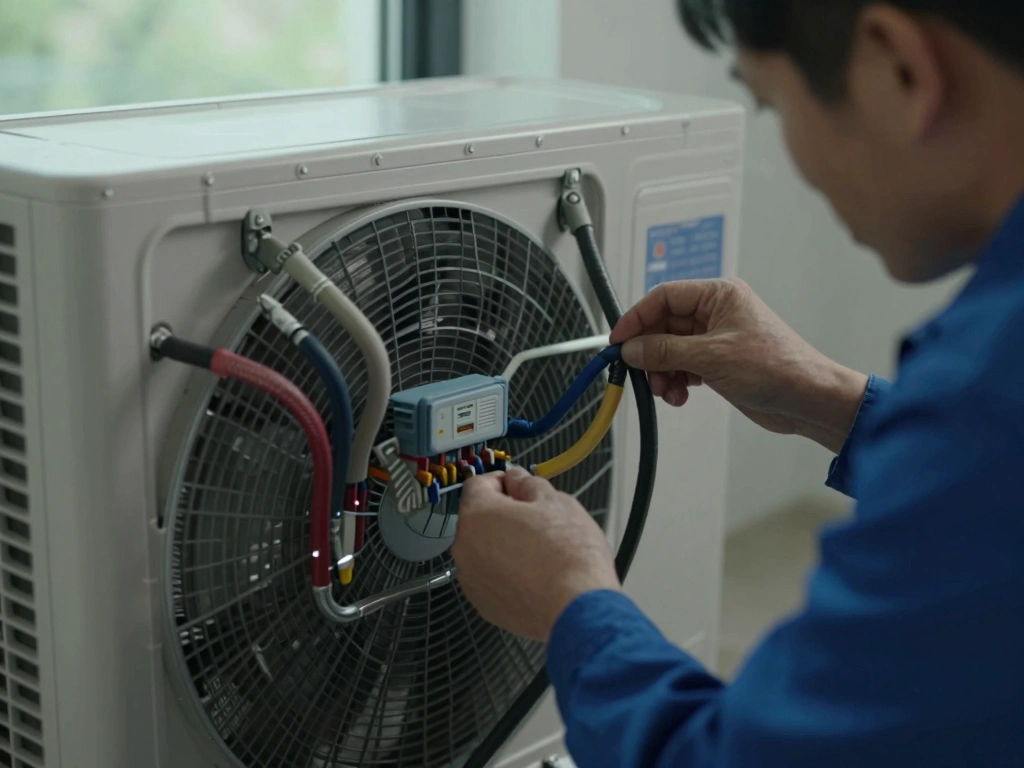
Installation costs play a crucial role in the overall initial expenditure. Heat pumps often require a more complex installation process due to their need for both indoor and outdoor units, as well as specific ductwork requirements. Installation costs for heat pumps can range from $1,000 to $3,000, depending on the complexity of the setup and any necessary modifications to existing infrastructure.
Conversely, furnace installation tends to be more straightforward, especially for homes that are already equipped with ductwork. Installation costs for furnaces typically range from $500 to $2,000. However, if a home lacks ductwork, the installation of a furnace could be costly, as it may require additional expenses for ductwork installation.
Financing Options and Incentives
Financing options can substantially affect the affordability of both heating systems. Many HVAC companies offer financing plans that allow homeowners to spread the cost over several months or years. For instance, a heat pump installation costing $7,000 could be financed at 0% interest for 12 months, resulting in monthly payments of approximately $583.
Additionally, government incentives and rebates can significantly reduce the overall cost of both systems. Programs such as the Federal Energy Efficiency Tax Credit offer rebates for energy-efficient heat pumps, which can cover a portion of the initial expense. Homeowners should check for local utility company incentives as well, which can further alleviate financial burdens related to installation.
Operating Costs Over Time
Energy Efficiency Ratings and Performance
Energy efficiency is a critical factor when comparing the operating costs of heat pumps and furnaces. Heat pumps are often rated using the Heating Seasonal Performance Factor (HSPF) and the Seasonal Energy Efficiency Ratio (SEER). A high-efficiency heat pump can achieve an HSPF of 10 or higher, meaning it can deliver significant energy savings.
Furnaces are rated using Annual Fuel Utilization Efficiency (AFUE), with high-efficiency models reaching AFUE ratings of 90% or more. This means that for every dollar spent on fuel, 90 cents or more is converted into usable heat. While both systems can be energy-efficient, heat pumps often outperform furnaces in milder climates, leading to lower operating costs.
Monthly Utility Bills: Heat Pump vs. Furnace
Monthly utility bills are a significant consideration for homeowners. In moderate climates, heat pumps can be more cost-effective, averaging a monthly utility bill of around $100, while furnaces may cost approximately $150 per month during the heating season. However, in colder regions where heat pumps may struggle to maintain efficiency, the monthly costs could equalize.
For example, homeowners in areas like the Midwest, where winters are harsh, might find that their heat pump operates inefficiently during extreme cold, potentially raising their utility costs. A furnace, in this case, might be more reliable and economical, especially when natural gas prices are low.
Maintenance and Repair Expenses
Regular maintenance is crucial for both heat pumps and furnaces to ensure they operate efficiently and have a long lifespan. Heat pumps typically require maintenance twice a year, including cleaning coils, checking refrigerant levels, and ensuring electrical components are functioning properly. Annual maintenance can cost between $150 and $300.
Furnaces also require annual maintenance, focusing on the furnace filter, burner assembly, and heat exchanger. Maintenance for a furnace is usually between $100 and $200 annually. However, repair costs for furnaces can be higher due to the complexity of gas systems and the potential for hazardous issues, such as carbon monoxide leaks.
Longevity and Lifespan Analysis
Average Lifespan of Heat Pumps
Heat pumps generally have a lifespan of around 15 to 20 years, depending on the type, usage, and maintenance. Regular servicing can extend their life expectancy. For instance, a well-maintained Carrier Infinity heat pump can last up to 20 years, while models that are not well-maintained may fail sooner. Homeowners should be prepared for potential replacement costs after this period.
Average Lifespan of Furnaces
Furnaces typically have a longer lifespan, averaging 20 to 30 years, particularly gas furnaces. A high-quality Trane gas furnace, for example, can last up to 30 years when properly maintained. This longevity can offer homeowners peace of mind, knowing they may not need to replace their heating system as frequently as they would with a heat pump.
Factors Influencing Longevity
Several factors influence the longevity of both heating systems. For heat pumps, climate is a significant determinant; they tend to wear out faster in extreme weather conditions. Additionally, the quality of installation and regular maintenance practices play crucial roles in extending the lifespan of both systems. Homeowners should also consider their usage patterns; for example, running a heat pump continuously during peak demand seasons can lead to premature wear.
Environmental Impact and Sustainability Costs
Carbon Footprint of Heat Pumps vs. Furnaces
When assessing environmental impact, heat pumps generally have a lower carbon footprint than traditional furnaces, especially when powered by renewable energy sources. Heat pumps utilize electricity and can leverage energy-efficient technologies to minimize emissions. For example, a geothermal heat pump system can significantly reduce greenhouse gas emissions compared to gas or oil furnaces.
Conversely, furnaces that burn fossil fuels contribute to higher carbon emissions. The Environmental Protection Agency (EPA) suggests that gas furnaces can emit approximately 1.2 pounds of CO2 per therm of natural gas consumed, making them less environmentally friendly than electric heat pumps.
Impact on Home Energy Ratings
Home energy ratings can be positively influenced by the type of heating system installed. Homes equipped with high-efficiency heat pumps often receive better ratings due to their lower energy consumption and reduced emissions. This can enhance the overall marketability of a home. For example, a home with a well-rated heat pump can achieve a better Energy Star rating, attracting environmentally conscious buyers.
Government Regulations and Future Trends
Government regulations are increasingly favoring energy-efficient heating systems. Many regions are implementing stricter efficiency standards for furnaces, pushing homeowners toward heat pumps. As technology advances, heat pumps are becoming more efficient and affordable, which may lead to wider adoption. Future trends suggest a shift toward electrification and renewable energy sources, further enhancing heat pumps' viability as sustainable heating solutions.
Resale Value and Home Market Considerations
Impact on Home Resale Value
The type of heating system can significantly impact a home's resale value. Homes with modern, energy-efficient heat pumps may appeal more to eco-conscious buyers, potentially leading to higher resale prices. In contrast, homes with outdated or inefficient furnaces may see a drop in value, as buyers may perceive them as requiring costly replacements or upgrades.
For instance, a study by the National Association of Realtors found that homes with energy-efficient systems can sell for about 2% to 5% more than similar homes without such upgrades. Therefore, investing in a heat pump may yield financial returns in the long term.
Buyer Preferences: Heat Pumps vs. Furnaces
Buyer preferences are shifting towards energy-efficient and environmentally friendly heating options. Many prospective homebuyers are now prioritizing homes equipped with heat pumps, especially in regions with moderate climates. According to a survey by the American Council for an Energy-Efficient Economy, 70% of buyers indicated they would prefer homes with energy-efficient heating systems over traditional furnaces.
Regional Market Trends and Demand
Regional market trends heavily influence the demand for heat pumps versus furnaces. In warmer climates, heat pumps are often favored due to their dual heating and cooling capabilities. Conversely, in colder climates, where heating demands are higher, furnaces may remain the preferred choice. For example, states like California and Florida are witnessing a rise in heat pump installations, while regions like Minnesota and North Dakota still favor gas furnaces due to their reliability in extreme cold.