Understanding Plant 3D Spools Generation
In the realm of engineering design, particularly in piping systems, the concept of spool generation is paramount. Spools serve as pre-fabricated sections of piping that can significantly streamline the construction process. The Plant 3D spools generation process allows engineers to create detailed drawings and models, facilitating the effective management and assembly of these components in the field.
What Are Spools in Engineering?
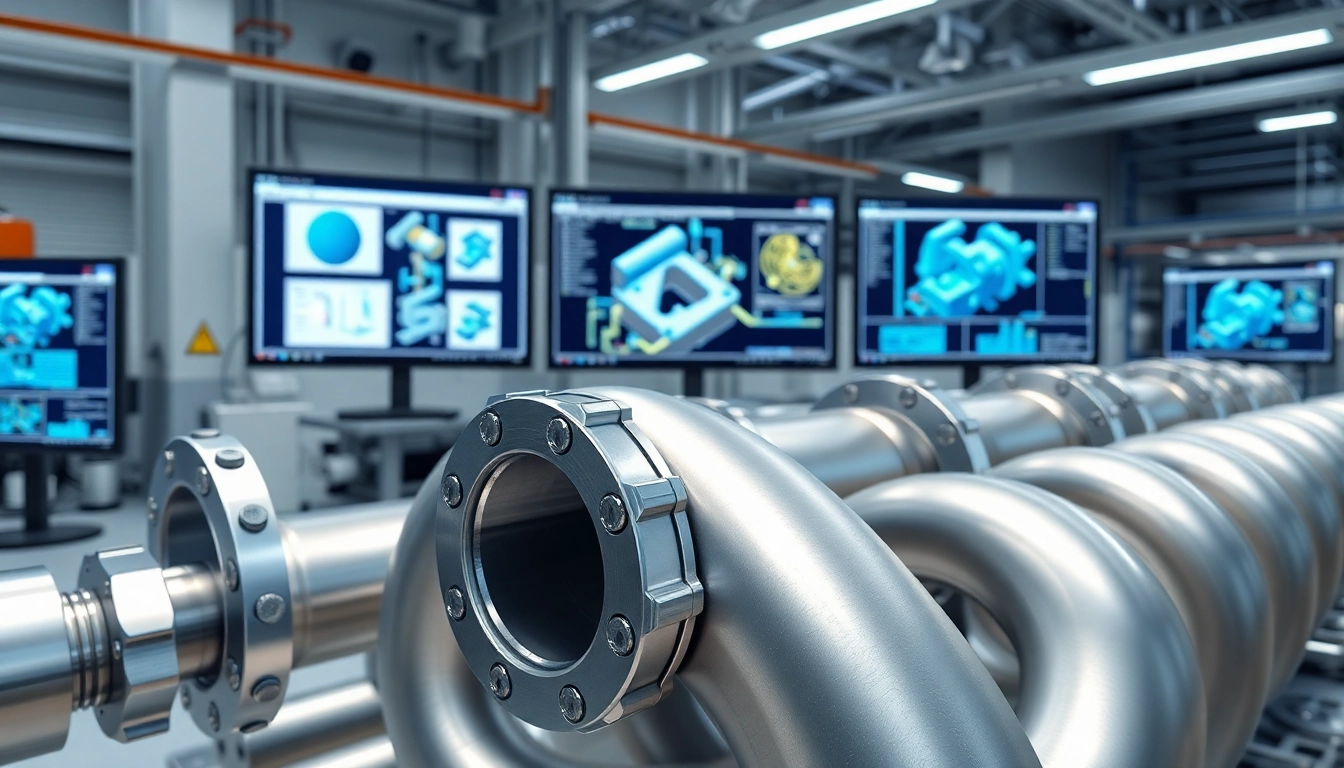
Spools in engineering typically refer to pre-assembled segments of piping that include various components like pipes, fittings, valves, and supports. The primary purpose is to enable rapid assembly on-site, improving the overall efficiency of installation. They are usually manufactured in a controlled environment, ensuring high quality and adherence to specifications, thereby reducing onsite errors and rework.
Importance of Plant 3D Spools Generation
The generation of spools in Plant 3D offers a range of benefits, including:
- Improved Precision: Automated spool generation ensures high accuracy in measurements and specifications.
- Faster Project Execution: By prefabricating spools, project timelines can be shortened significantly.
- Cost Reductions: Reducing the amount of onsite labor and materials can lead to significant savings.
Key Components of Spool Design
A well-designed spool should include the following components:
- Piping: The main component that carries fluids.
- Fittings: These connect different sections of piping.
- Supports: Necessary to ensure the spool maintains its integrity and shape.
- Valves: Control the flow of fluids in the pipeline.
Setting Up Your Environment for Spools Generation
Essential Software Tools
To effectively generate spools, specific software tools are necessary. Among these, Plant 3D stands out due to its robust capabilities for handling complex designs and automating tasks. Additional tools may include:
- CAD Software: For drafting and modeling.
- Project Management Tools: To ensure tasks are on schedule and within budget.
- Simulation Software: Helps to predict performance and detect potential issues before physical implementation.
Configuring Settings for Optimal Performance
Proper configuration of your design environment is critical. Key settings to check include:
- Units of Measurement: Consistency in units helps avoid errors.
- Spool Numbering Systems: Developing a systematic approach for assigning spool numbers can prevent confusion.
- Layer Management: Effective use of layers ranging from pipe types to annotations enhances clarity and efficiency.
Best Practices for CAD Integration
Integrating CAD with Plant 3D requires a clear strategy. Some best practices include:
- Regular Updates: Keeping the software up to date ensures access to the latest tools and features.
- Training: Providing training sessions for team members guarantees that everyone understands the software capabilities.
- Quality Checks: Implement quality control measures at each stage of the design to catch errors early.
Step-by-Step Guide to Generating Spools
Create Your Initial Design
The generation process begins with the creation of an initial design in Plant 3D. This can involve:
- Drafting Layouts: Sketching the intended layout for piping and components.
- Modeling Components: Adding specific elements such as valves and fittings to the design.
- Review and Revise: Iterating the design based on feedback from engineering teams.
Assigning Spool Numbers Effectively
Spool numbering must be systematic and consistent. A few strategies include:
- Sequential Numbering: Assigning numbers in the order of generation.
- Functional Grouping: Having numbers represent aspects of the system, aiding in identification.
- Reference Notes: Keeping a cross-reference list helps track spool details and specifications.
Automating the Spool Generation Process
Automation can dramatically enhance efficiency. Use the following methods:
- Scripts: Implement scripts to automate repetitive tasks.
- Templates: Develop templates that streamline the spool creation process.
- Integrated Tools: Utilize plugins or additional software that work seamlessly with Plant 3D to enhance automation capabilities.
Common Challenges and Solutions
Addressing Naming Conflicts
Naming conflicts can arise during the generation process. Here are ways to resolve them:
- Unique Identifiers: Use unique identifiers for each spool based on location and type, minimizing the chance for duplicates.
- Regular Audits: Conduct regular reviews of spool names to catch issues early.
Troubleshooting Generation Errors
Error messages during the spool generation may occur due to multiple reasons. Possible resolutions include:
- Check Configurations: Ensure all settings are correctly configured before starting the generation.
- Update Software: Ensure the latest version of software is in use to avoid older bugs.
- Documentation: Refer to official guides for troubleshooting specific error messages.
Maintaining Consistency Across Projects
To ensure a consistent approach in generating spools across various projects, consider these practices:
- Standard Operating Procedures: Document and share best practices within your team.
- Frequent Training: Keep teams updated on procedural changes and software updates.
- Centralized Repositories: Store designs and templates in a common location for easy access.
Tracking and Improving Spool Generation Performance
Metrics for Evaluating Efficiency
To assess the efficiency of spool generation, key metrics should include:
- Time to Generate: Measure the time taken from design to completed spool.
- Error Rates: Log the number of errors encountered during generation.
- Cost Analysis: Track costs associated with spool generation to identify saving opportunities.
Continuous Improvement Techniques
Continuous improvement can be achieved through various techniques, such as:
- Feedback Loops: Set up regular feedback sessions to gather insights and suggestions.
- Benchmarking: Compare against industry standards and peer performance to identify gaps.
- A/B Testing: Experiment with different methods and processes to see which yield better outcomes.
Leveraging Feedback for Future Projects
Using feedback effectively is crucial for continuous improvement. Key strategies include:
- Surveys: Conduct post-project surveys to gather team insights on challenges faced.
- Performance Reviews: Review project performance in terms of cost, time, and quality for learning opportunities.
Frequently Asked Questions
What is Plant 3D spools generation?
Plant 3D spools generation involves creating detailed drawings and models of pre-fabricated piping sections to streamline construction.
How do I assign spool numbers?
Spool numbers can be assigned sequentially or based on functional grouping, which helps in tracking and identification.
What software is best for spool generation?
Software like Plant 3D is recommended for effective spool generation due to its automation and design capabilities.
What are common challenges in spool generation?
Common challenges include naming conflicts, generation errors, and maintaining consistency across projects.
How can I improve spool generation efficiency?
Improving efficiency can be achieved by automating processes, streamlining settings, and conducting regular training and audits.