Understanding Lower Back Pain: A Common Concern
Lower back pain is a prevalent issue that affects millions of individuals globally, often ranking among the top reasons for medical visits. Its complexity lies in the multitude of potential causes and varied presentations of symptoms. Understanding Lower back pain is essential for effective management and treatment.
What is Lower Back Pain?
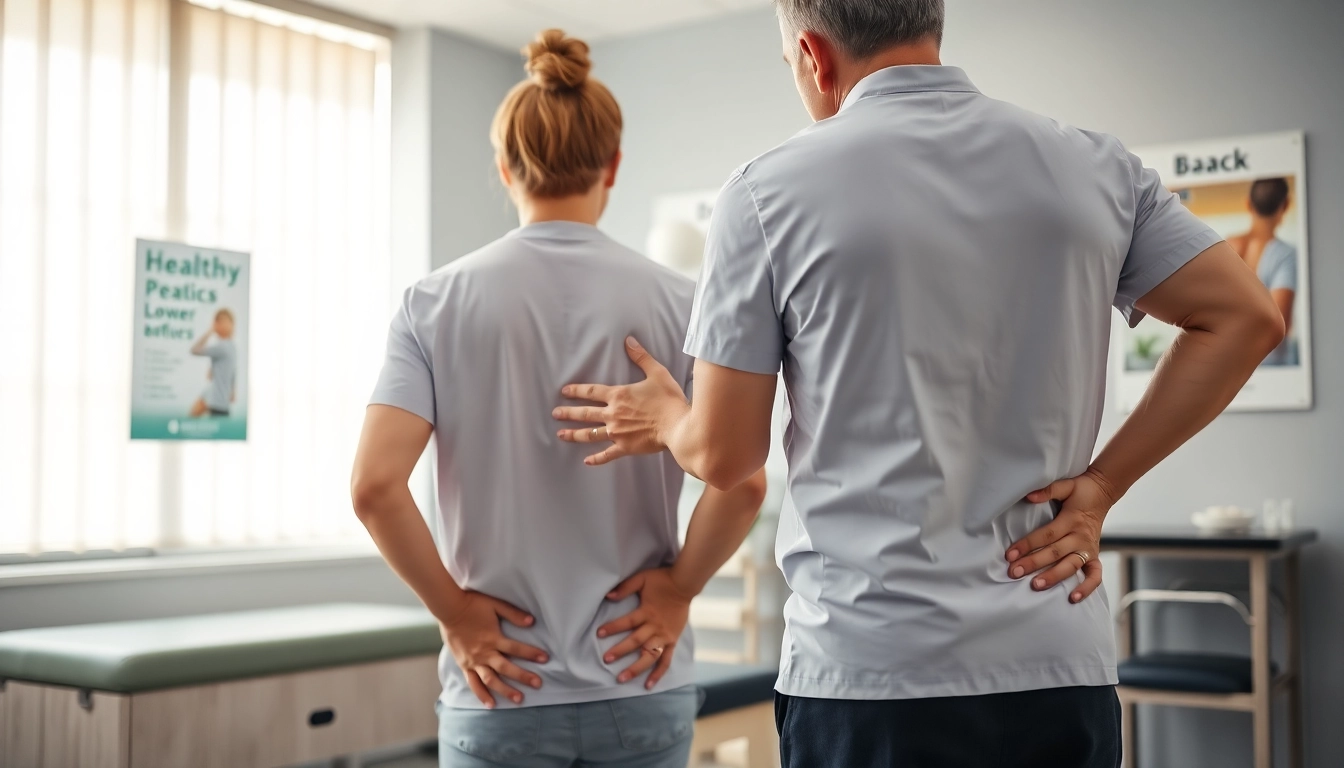
Lower back pain (LBP) refers to discomfort or pain felt in the lumbar region of the spine, which is located between the bottom of the rib cage and the top of the legs. This region is pivotal, supporting much of our body's weight and allowing for a range of movements. Pain can manifest suddenly (acute) or persist over time (chronic), significantly impacting physical capabilities and quality of life.
Common Causes and Risk Factors
Understanding the root causes of lower back pain is critical for treatment. Some common causes include:
- Muscle or Ligament Strain: Straining muscles or ligaments during heavy lifting or abrupt movements.
- Herniated Discs: A bulging disc can press on nerves, causing pain.
- Arthritis: Osteoarthritis can lead to narrowing of the space around the spinal cord (spinal stenosis).
- Skeletal Irregularities: Conditions like scoliosis can lead to uneven strain on the back.
- Lifestyle Factors: Being overweight, smoking, and lack of exercise can heighten risk.
Age also plays a crucial role, as the risk of lower back pain increases with age due to degenerative changes in the spine.
The Impact of Lower Back Pain on Daily Life
Lower back pain not only affects one’s physical health but can also influence mental well-being. Individuals may experience limitations in daily activities, work absenteeism, and reduced social interactions. Chronic pain can lead to anxiety and depression, creating a vicious cycle that exacerbates both physical and emotional suffering. Moreover, managing lower back pain often necessitates lifestyle adjustments and engagement with healthcare providers, resulting in financial strain for some individuals.
Symptoms of Lower Back Pain: Recognizing the Signs
Acute vs. Chronic Lower Back Pain
Recognizing the difference between acute and chronic lower back pain is essential for effective treatment. Acute lower back pain, typically lasting less than three months, often arises from a specific injury or strain. It may improve with conservative treatments such as rest, ice, and over-the-counter medications. Chronic lower back pain, however, persists for longer than three months and may require a more complex treatment approach, including physical therapy or medication management.
Red Flags That Indicate Serious Issues
While most lower back pain is not indicative of a serious condition, certain "red flags" should prompt immediate medical evaluation:
- Unexplained weight loss
- Loss of bladder or bowel control
- Severe pain that worsens over time
- History of cancer
- Signs of infection such as fever
Recognizing these symptoms promptly can facilitate early intervention and potentially mitigate more severe outcomes.
When to Seek Medical Advice
It is advisable to consult a healthcare provider if back pain is accompanied by any of the red flags mentioned or if pain persists beyond a few weeks. Early evaluation can prevent complications and lead to more effective management strategies.
Treatment Options for Lower Back Pain: A Comprehensive Overview
Non-Surgical Treatments: What Works?
Most cases of lower back pain resolve with non-surgical treatments. Non-invasive options include:
- Physical Therapy: Tailored exercises to strengthen back muscles and improve flexibility.
- Chiropractic Care: Manual manipulation of the spine to alleviate pain.
- Medications: Over-the-counter pain relievers (like NSAIDs) and muscle relaxants.
- Heat/Ice Therapy: Using heat pads or ice packs to reduce inflammation and alleviate pain.
Evidence supports the effectiveness of these treatments for acute and chronic lower back pain, with many individuals experiencing significant relief.
Alternative Therapies: Exploring Different Approaches
In addition to standard treatments, alternative therapies can offer supplementary benefits:
- Acupuncture: Inserting thin needles into specific points may help relieve pain.
- Massage Therapy: Reducing muscle tension and improving circulation may alleviate discomfort.
- Yoga and Mindfulness: Promoting relaxation and improving posture can be beneficial in pain management.
While some individuals find alternative therapies helpful, it’s important to consult healthcare providers before starting new treatments.
Rehabilitation and Physical Therapy Techniques
Rehabilitation plays a pivotal role in recovery from lower back pain. A physical therapist can develop a personalized rehabilitation plan inclusive of strengthening and stretching exercises aimed at:
- Restoring mobility
- Enhancing flexibility
- Building core strength
Engaging in rehabilitation not only aids recovery but can also help prevent future occurrences of pain.
Preventing Lower Back Pain: Tips for a Healthy Spine
Exercise and Strengthening Programs
Regular physical activity is fundamental in preventing lower back pain. Engaging in exercises such as:
- Walking
- Swimming
- Resistance training
helps strengthen core muscles that support the spine. Consistency is key, and incorporating stretch routines before and after workouts can improve flexibility and reduce injury risk.
Workstation Ergonomics: Setting Up for Success
Modern work practices often lead to prolonged sitting, which can negatively affect spinal health. Optimizing your workstation is crucial. Here are tips for maintaining ergonomic integrity:
- Adjust your chair height so your feet rest flat on the floor.
- Ensure your computer monitor is at eye level to avoid neck strain.
- Use a chair with lumbar support to maintain natural spinal curves.
Taking regular breaks to stand or stretch during long hours can also contribute to maintaining a healthy back.
Daily Habits to Protect Your Back
Incorporating smart daily habits can safeguard against lower back pain:
- Maintain Proper Posture: Be mindful of your posture whether sitting, standing, or lifting.
- Use Your Legs: When lifting objects, bend at the knees rather than at the waist.
- Stay Hydrated: Proper hydration supports disc health in the spine.
These simple lifestyle changes can prove beneficial in promoting long-term spinal health.
Frequently Asked Questions About Lower Back Pain
What are the most common causes of lower back pain?
The most frequent causes are muscle strain, herniated discs, arthritis, and improper lifting techniques.
How can I alleviate lower back pain at home?
Applying heat or ice, rest, and over-the-counter medications can help relieve symptoms conveniently at home.
What role does exercise play in back pain recovery?
Exercise strengthens the muscles supporting the back, improves flexibility, and can significantly accelerate recovery.
How can posture affect lower back pain?
Poor posture can increase strain on the back, leading to pain. Maintaining proper alignment is crucial for spinal health.
When should I consult a doctor for my back pain?
If pain persists beyond a few weeks, is severe, or presents with symptoms like numbness or weakness, seek medical advice promptly.