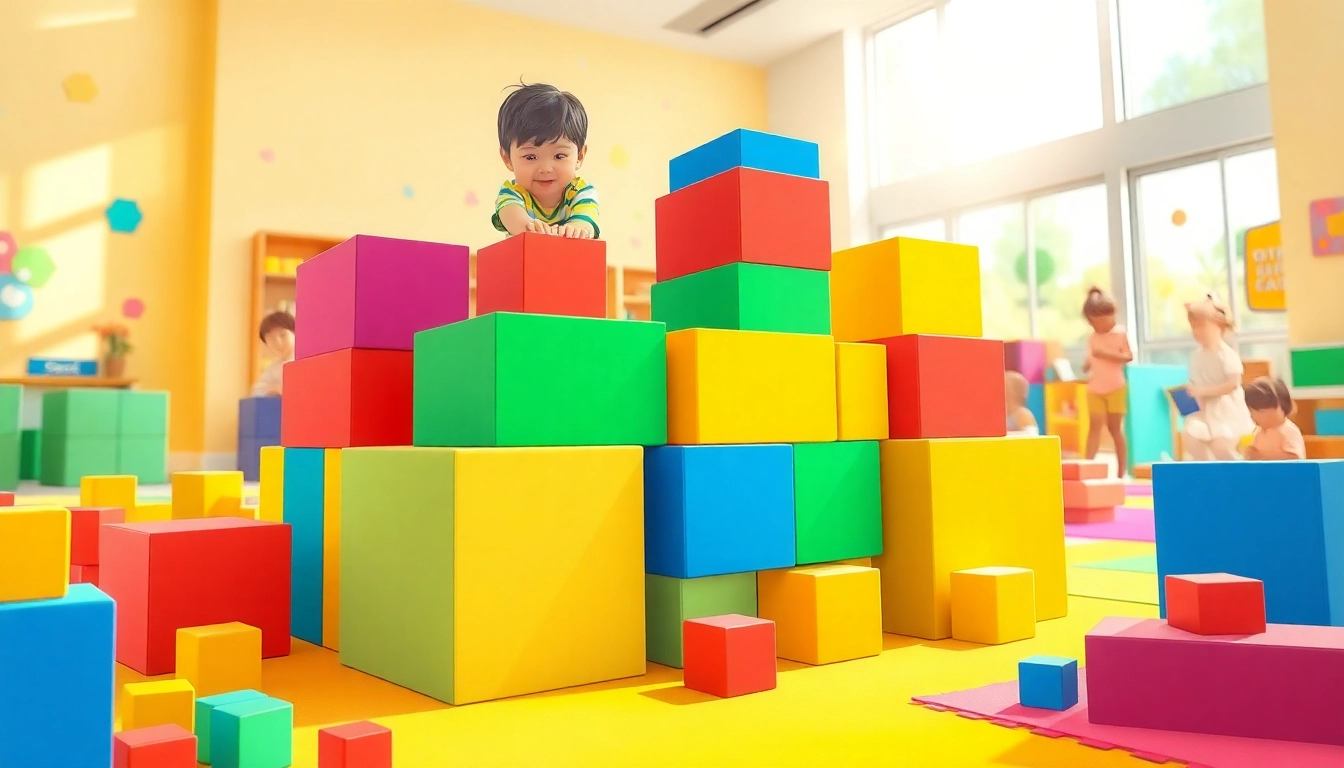
The Joy of Giant Foam Blocks
Giant foam blocks offer children an inviting gateway to boundless creativity and adventurous activities. These versatile building materials engage young minds in imaginative play, fostering problem-solving skills and encouraging social interaction. Moreover, with their soft and lightweight composition, foam blocks create a safe environment for exploration. If you’re curious about how these blocks can transform playtime, find out more about their incredible features and benefits.
Building Basics for Kids
At their core, foam blocks present a simple yet powerful concept: stack, build, and explore. These blocks vary in size, shape, and color, making them accessible to children of different ages and abilities. Young builders can start with basic structures, gradually advancing to more complex designs. This rise in difficulty not only captures their interest but also enhances their fine motor skills and spatial awareness.
The Importance of Creative Play
Creative play is essential for cognitive and emotional development in children. When kids manipulate foam blocks, they engage in storytelling, construction, and problem-solving without limits. This free play encourages innovation as children learn to express their ideas through tactile experiences. Additionally, it helps develop self-esteem as they witness their creations take shape, ultimately boosting their confidence in their abilities.
Safety Features of Foam Blocks
One of the most significant advantages of giant foam blocks is their safety features. Designed specifically for children, these blocks are made from non-toxic, lightweight foam, minimizing the risk of injury. Unlike traditional building blocks, their rounded corners and soft surfaces protect little hands and feet during play. Parents can rest easy knowing that their children can engage freely without fear of sharp edges or heavy objects.
Types of Foam Building Blocks
Shapes and Sizes for Every Age
Foam blocks come in various shapes and sizes, making them suitable for children from toddlers to older kids. Smaller blocks might be ideal for toddlers, who are still mastering their motor skills, while larger, more complex shapes can encourage older children to build ambitious structures. This versatility ensures that every age group can benefit from engaging with foam blocks, enriching their play experience.
Comparative Benefits of Different Materials
While foam blocks are incredibly popular, parents may find themselves comparing them to other building materials such as wooden or plastic blocks. One key advantage of foam blocks is their lightweight nature, allowing for easier manipulation and less likelihood of injury. Furthermore, the vibrant colors and soft textures of foam blocks can stimulate sensory play, while traditional materials often lack this feature.
Choosing the Right Set for Your Space
Selecting the ideal set of foam blocks can depend on several factors, including the available space, the child's age, and intended use. For ample playtime, larger sets can offer more variety and encourage group play. Compact sets may be better suited for smaller areas, still delivering the benefits of creative construction while maintaining an organized environment. Additionally, consider purchasing sets that come with storage solutions, making clean-up easier.
Maximizing Playtime with Structure
Designing Fun Play Environments
To truly maximize playtime with foam blocks, consider creating designated play areas that stimulate creativity and collaboration. These spaces can include theme zones—like a construction corner or an imaginative castle domain. Setting clear boundaries for play allows children to feel secure, inspiring them to engage fully within their created worlds.
Using Blocks for Group Activities
Foam blocks are fantastic tools for collaborative activities. Setting up group challenges, such as competing to build the tallest structure, encourages teamwork and communication among peers. Such activities help children learn essential skills, like sharing and listening, while also instilling a sense of accomplishment when they solve problems together to achieve a common goal.
Incorporating Themes into Build Challenges
Themed build challenges can add an exciting twist to playtime. Themes might include rebuilding a famous landmark, constructing a spaceship, or designing a zoo. These imaginative prompts can stimulate the engineers-in-training, as they explore various architectural styles and contextual narratives while playing. Broadening the scope of play imparts a deeper understanding of their surroundings and encourages creative storytelling.
Inspiration for Epic Indoor Adventures
Engaging Activity Ideas
There are countless activity ideas that can be implemented using foam blocks to keep indoor play engaging. Activities like obstacle courses or scavenger hunts where children must find and build specific structures add adventure to playtime. Such interactive endeavors can keep kids entertained for hours while fostering physical and cognitive development.
Collaborative Building Games
Building games that encourage collaboration can create unforgettable experiences. Relying on collective brainstorming, kids can identify materials they might need and share construction strategies. This collaborative environment enriches interpersonal skills, building strong bonds among peers. Structured games, such as “bridge building” or “fort challenge,” can also enhance their teamwork capabilities.
Storytelling through Block Structures
Utilizing foam blocks for storytelling adds narrative depth to the building process. Children can create scenes that depict their favorite stories or invent new tales as they build. As they layer their narratives around their constructions, they learn not only about storytelling but also about perspective, creativity, and design, deepening their engagement with the material and the imaginative process.
Frequently Asked Questions
Are foam blocks safe for toddlers?
Yes, foam blocks are designed to be safe for toddlers. They are made from non-toxic materials, feature rounded edges, and are lightweight, reducing the risk of injury during play.
What are the benefits of large building blocks?
Large building blocks promote hand-eye coordination, spatial reasoning, and creativity in children. They encourage collaborative play and are safe for kids to handle, fostering a positive play experience.
How do I clean foam building blocks?
Cleaning foam building blocks is straightforward. Use a damp cloth and mild soap to wipe them down. Ensure they are thoroughly dried before storing them to prevent mold or mildew.
Can adults join in on the fun?
Absolutely! Foam blocks can be enjoyed by people of all ages. Adults can participate in play, helping foster creativity in their children while also experiencing the joy of building together.
How can I encourage teamwork with foam blocks?
Encourage teamwork by setting up joint building challenges where groups must collaborate to achieve a goal, such as erecting a large structure or completing a themed project together. This promotes effective communication and cooperation.